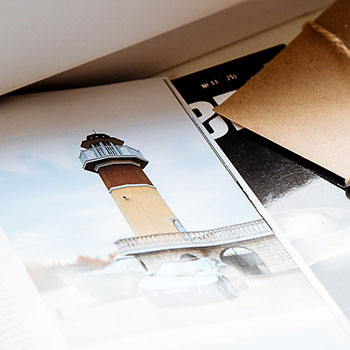
When the excitement of college admission fades, and the reality of packing for a new chapter looms, most students reach for luggage stuffed with clothes, laptops, and toiletries. But amid the practicalities, there’s one item often overlooked: a book—not a textbook, not a required reading list, but a book that chooses you. Whether it’s a well-worn novel from your childhood, a philosophy collection that sparks curiosity, or a poetry book that speaks to your soul, bringing a book to college is more than an afterthought. It’s an act of self-compassion, a quiet anchor, and a silent companion that will walk with you through the chaos, growth, and magic of university life.
A Familiar Friend in a Sea of New Faces
College is a whirlwind of firsts: first time living away from home, first lecture hall with hundreds of strangers, first late-night panic over an assignment. In that storm of unfamiliarity, a book becomes a familiar harbor. It’s something you know—its cover, its scent, the dog-eared page where you last stopped—when everything else feels new.
I remember my own first week: dorm walls bare, the hum of a roommate’s fan, the ache of missing home. I’d packed The Little Prince in French, a book I’d read since I was 10. That week, I’d crawl into my top bunk, open to the page where the fox says, “What is essential is invisible to the eye,” and suddenly, the loneliness didn’t feel so vast. The book didn’t solve my problems, but it reminded me that some things—connection, memory, the quiet joy of a story—never change. It was a friend that didn’t need words, just presence.
A Window to Worlds Beyond the Campus
College expands your mind, but a book expands it further. While lectures teach you about biology or history, a book—fiction or non-fiction—teaches you about humanity. It’s a window to lives you’ll never live, places you’ll never visit, and emotions you can’t always name.
For me, that book was Meditations by Marcus Aurelius. I brought it on a whim, drawn to its Stoic wisdom. During late nights cramming for exams, or after a failed club interview, I’d flip to a random page: “The impediment to action advances action. What stands in the way becomes the way.” It didn’t make calculus easier, but it made frustration feel manageable. It taught me that growth isn’t about avoiding hardship, but about meeting it with clarity. A book like this doesn’t just complement your education—it deepens it, turning abstract lessons into lived philosophy.
A Bridge to Connection, in a World of Isolation
College is often called a “place to find yourself,” but it’s also a place to find others. And a book? It’s a conversation starter, a bridge to connection. Leave it on your desk, and a classmate might pause, “Oh, I love The Alchemist!” Suddenly, you’re talking not about majors or deadlines, but about dreams and fear and the courage to follow your heart.
I once lent my copy of To Kill a Mockingbird to a dorm mate who’d never read it. We stayed up until 2 a.m., debating Atticus Finch’s morality, the weight of injustice, and the courage of a child. In that moment, a book turned two strangers into friends. It’s a shared language—no small talk needed, just a love for a story that binds you to someone else.
The Most Luggage You’ll Ever Regret Forgetting
Years from now, you won’t remember every textbook or every late-night snack. But you’ll remember the book you brought to college—the one that comforted you, challenged you, and grew with you. It will be a time capsule: a note you wrote in the margin, a coffee stain from a morning in the library, the way the spine softened as you read it again and again.
So when you pack for college, don’t just fill your suitcase with clothes and gadgets. Leave room for a book. Let it be your first friend, your quiet teacher, your constant reminder that even in the busiest, loneliest times, you are never alone—because between its pages, you’ll always find a piece of yourself.
Take a book to college. It’s not just luggage. It’s the story that will help you write yours.